
Get the Money!
On Helen DeWitt, literary funding, and difficult weirdo artists

Welcome to the 185th issue of Subtle Maneuvers. Previously: Do bad bosses make for great art?
Last February, the novelist Helen DeWitt declined a $175,000 writing prize because she found the publicity requirements too onerous. Subsequently, she accepted a no-strings-attached grant of the same amount from a libertarian think tank financially supported by one of the Koch brothers. Welcome to literary funding in the twenty-first century.
The DeWitt saga has already been much commented upon and argued about. My feeling about it can be summed up by the title of the poet Ted Berrigan’s collected prose:
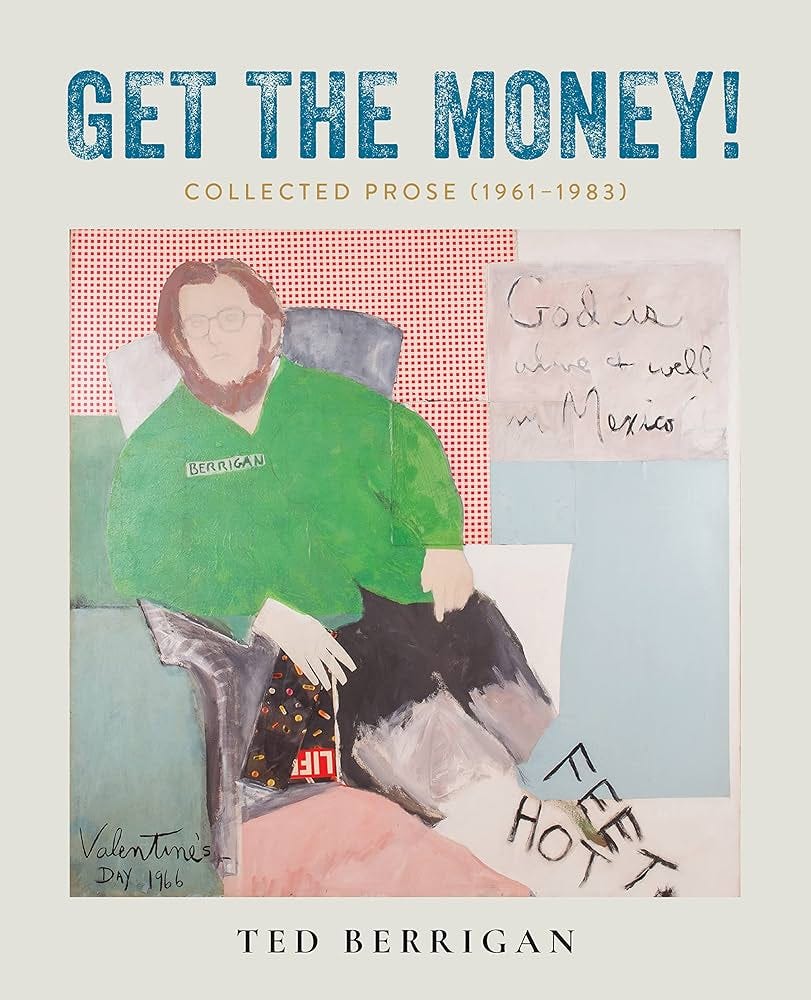
In the book’s introduction, Berrigan’s son, the poet Anselm Berrigan, explains the title:
“Get the Money!” is a phrase coined by the early twentieth-century journalist and literary writer Damon Runyon, a particular hero to Berrigan, who used the phrase as a tonally flexible and oddly practical descriptor as needed in conversation and writing. Sprinkled here and there in this selection, “Get the Money!” is also the title of a particularly bonkers-yet-incisive roundup of art reviews and opinions that kicks off the second half of this book. Built into the phrase in Berrigan’s usage is the knowing and amused, if arghifying, implication that “Get” will never become “Got” in any permanent sense, but could happen temporarily on the fly, and might be anyone’s reason for a particular decision.
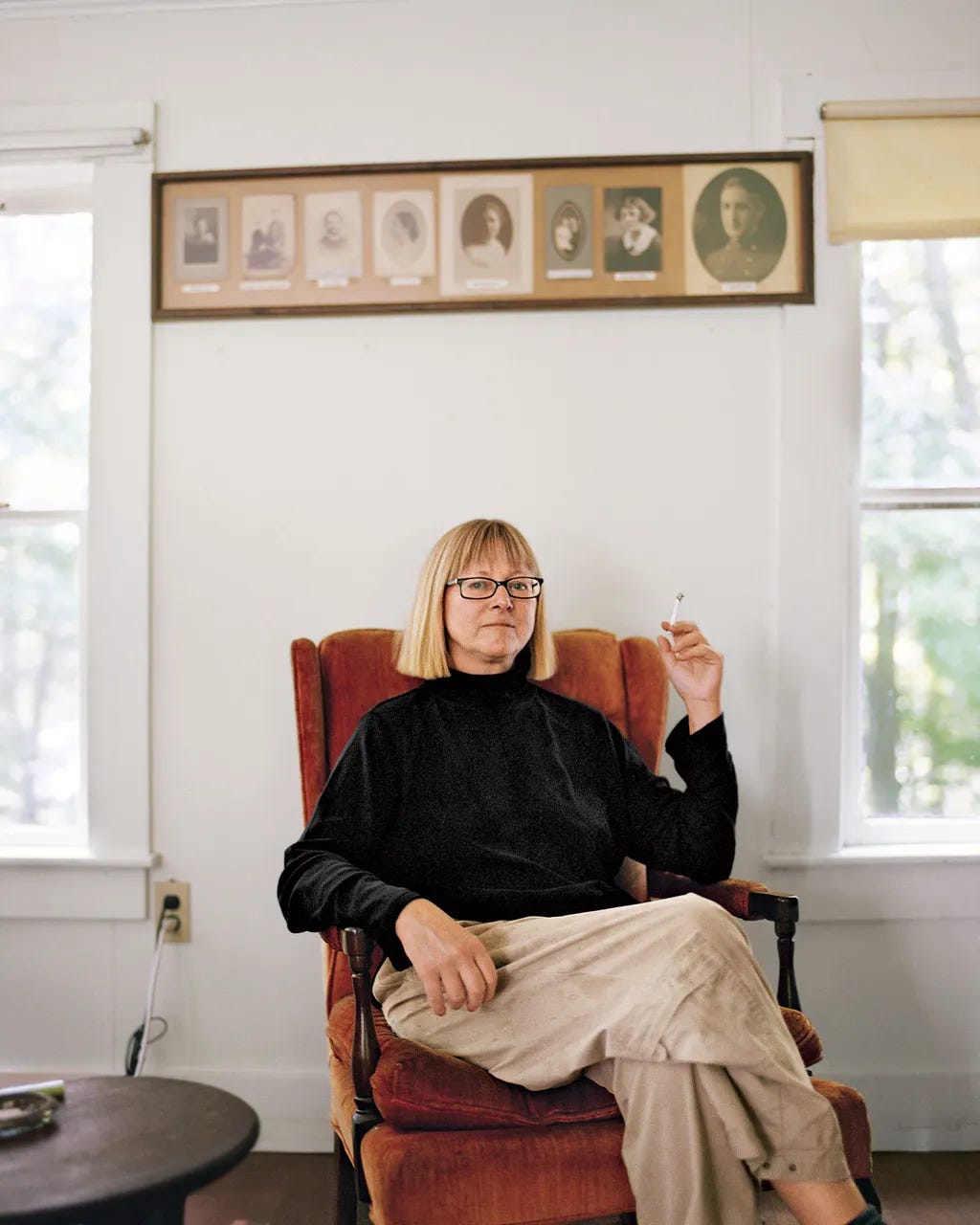
Get it! DeWitt needs time and space to write more of her truly incredible books; I think she should listen to her instincts about what will and will not help her actually write them. Sure, I would have dropped everything to do the video shoot, the podcast interview, the guest essay, the six-day literary festival, and whatever else the Windham-Campbell folks wanted in exchange for the original $175,000. Frankly, I’m already doing a lot of stuff like this for literally zero dollars! But DeWitt is the one whose debut novel has been called the best book of the century so far. Surely there is a relationship between her unwillingness (or inability) to perform a false self in public and her ability to tap into a true deep self for the sake of making something of lasting meaning and beauty.
This is one of the overarching themes of my three books: that many of history’s greatest writers, artists, and thinkers were anxious oddballs with incredibly finely tuned nervous systems, who learned through trial and error how to arrange the conditions that permitted their best work, and who were often fiercely protective of these conditions, even when it made them seem selfish, difficult, or eccentric. This is what I love about them! By not contorting themselves to fit the outside world’s expectations, they were able to go deeper into themselves and bring forth work that has stood the test of time.
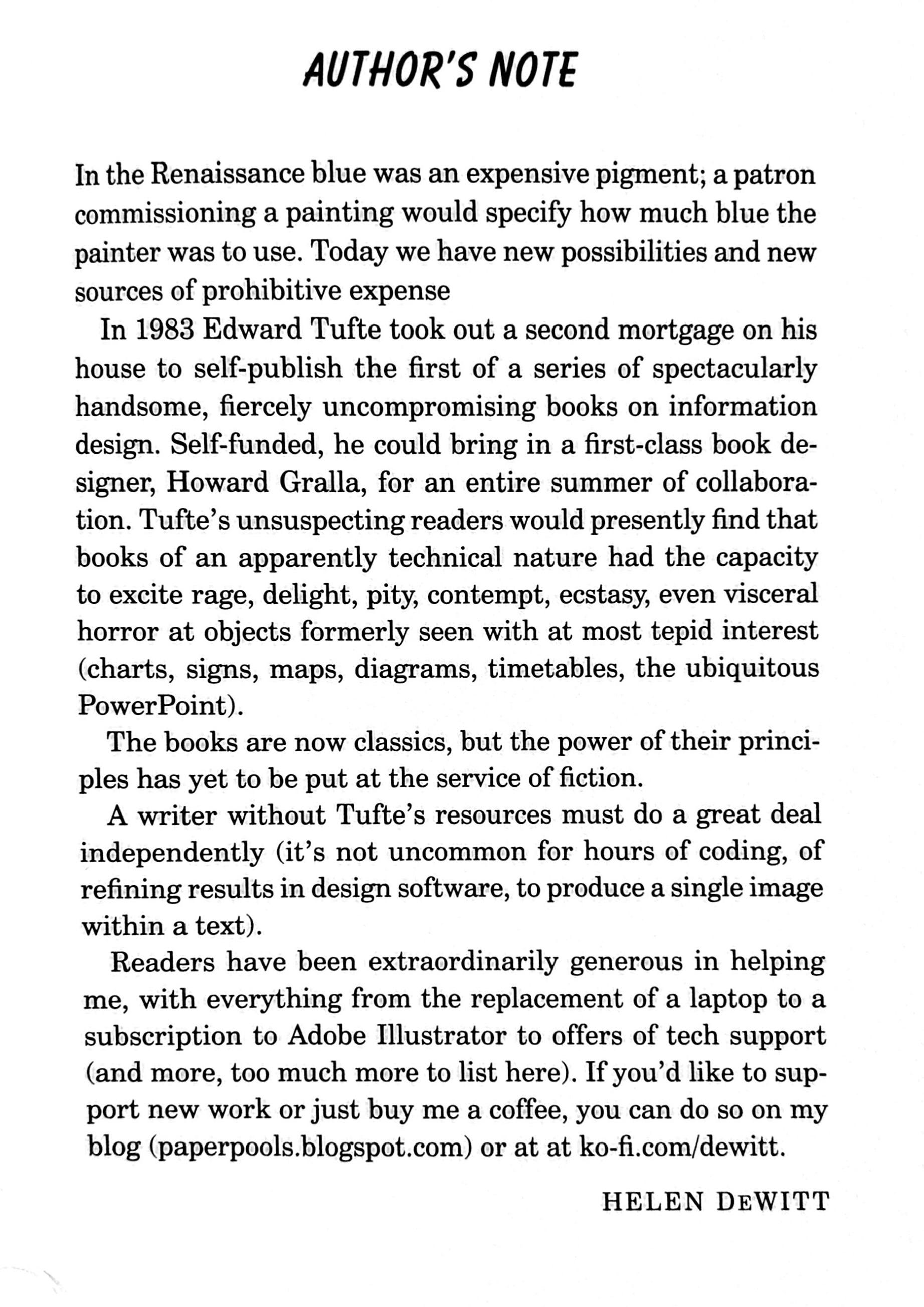
To be fair, Helen DeWitt has done some contorting of her own. Her 2022 novella The English Understand Wool includes an author’s note that solicits readers to fund her new work through donations on her blog or on the crowdfunding platform Ko-fi. Love it! Get the Money!
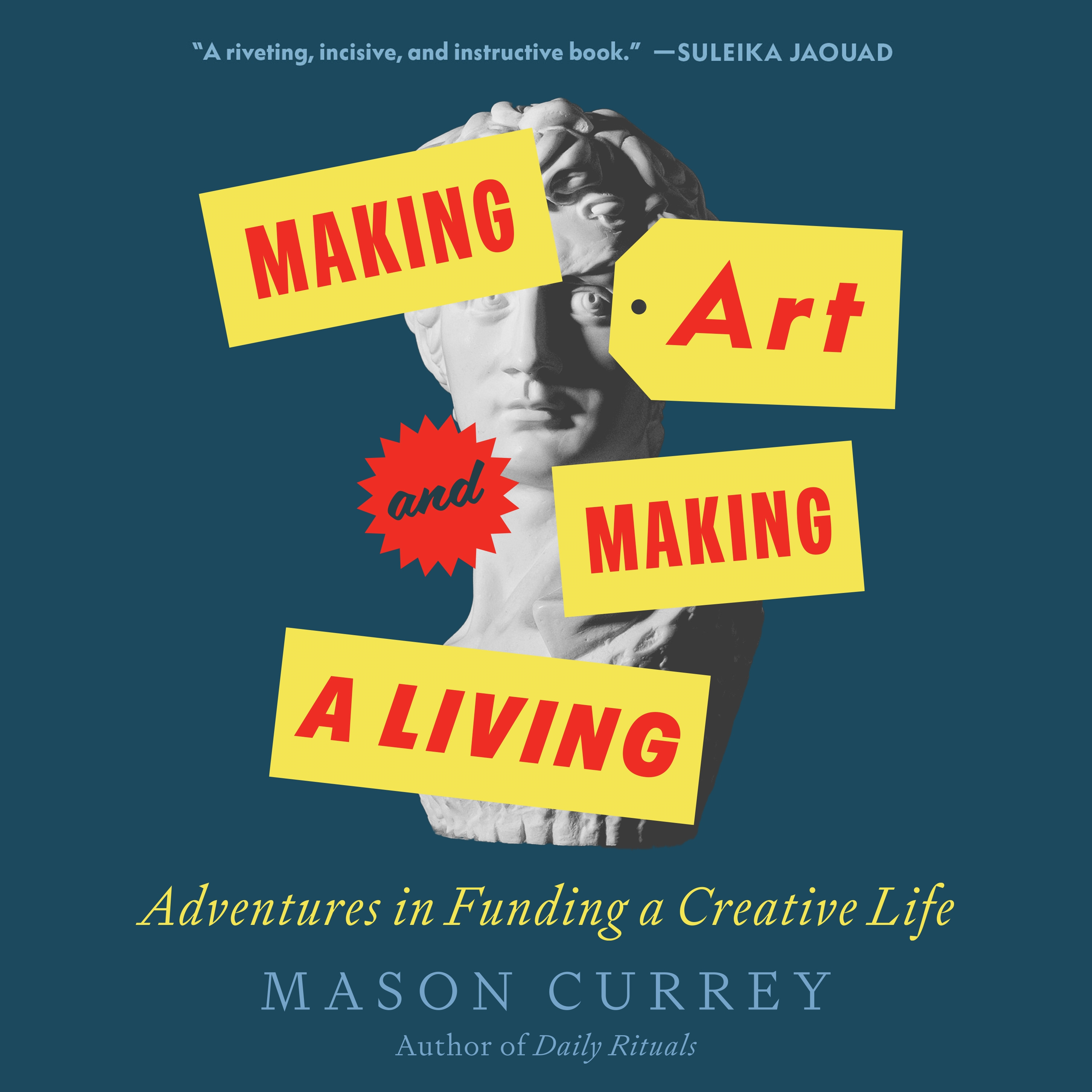
Artists have been doing this kind of thing for centuries. In my new book, I write about the great Italian poet Petrarch getting crowned poet laureate in Rome in 1341. An incredible honor—one that Petrarch secretly arranged himself through a months-long behind-the-scenes influence campaign, in a truly shameless bid for personal glory, and to make himself a desirable pet for wealthy patrons. (It worked.) And then, in his coronation address, Petrarch snuck in this:
But the good poet, whose line is not commonplace . . . must have a spirit free from anxiety, untouched by any bitterness, eager for the woods, and ready to drink at the fountain of the Muses. For none can sing in the Pierian cave or wield the thyrsus who is oppressed by sad poverty and lacks the coin to meet the body’s daily and nightly needs.
In other words: Poets need money—give it to us!
For better or worse, this has always been part of the artist’s mission: to do work of lasting value and also to convince the world to pay for it, without the latter effort polluting the former. Often this involves a ton of inner conflict, some truly outlandish schemes, and continual friction with patrons, family members, landlords, employers, and other representatives of everyday respectability. But how else do you think great works of art get brought into this world?
SPEAKING OF SHAMELESS
I’m not on Ko-fi but you can help fund my coffee consumption by ordering one of my three books about how writers and artists through the ages actually got their work done:
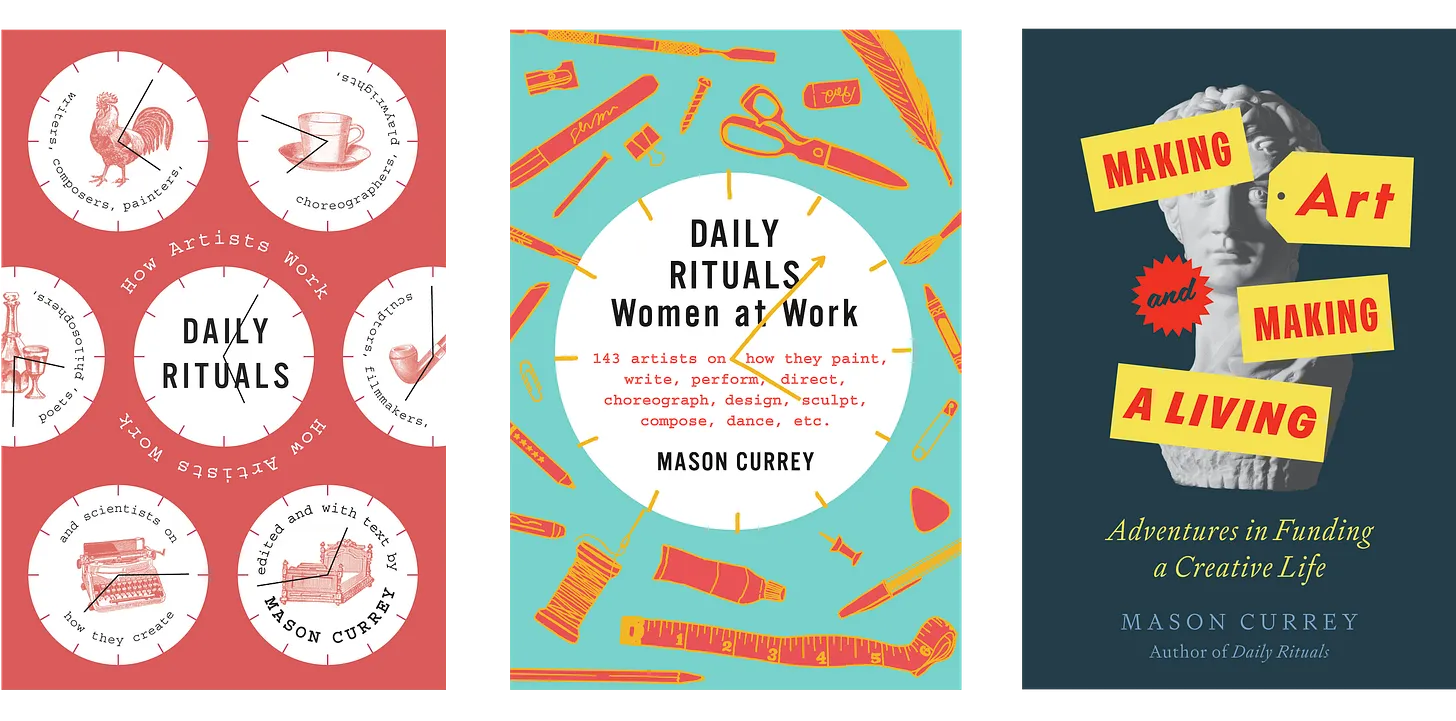
They’re all available in hardcover, ebook, and audiobook formats. Last month, I was delighted when the painter Susan Chen—whom I interviewed for the newsletter in 2020—said on Instagram that she’s listening to the latest one while working away in her studio. What an honor! I love the idea of new paintings coming together to my stories about how some of history’s greatest painters fought tooth and nail to get paid for their work.
Speaking of Instagram: After years of basically ignoring it, I’m now making a conscious effort to share my work there in way that feels true to the spirit of my books and this newsletter. To be honest, I haven’t quite figured it out yet—but I’m treating it as an experiment, which, per Corita Kent’s rule #4, is all we can ever do. Follow me @masoncurrey to watch this particular experiment unfold in real time.
RELATED ISSUES
From the argh-ive:


.gif)
Thanks for reading! This newsletter comes out every other Tuesday—and you can help keep it coming by upgrading to a paid subscription, buying one of my three books, forwarding this email to a friend, or even just clicking the like button below. 🙏
Something related I've been wrestling with: What if the artist is merely "meh"? I notice we're talking about the author of PTBBOTC (that first letter is "perhaps," BTW!), but would we feel the same way about a middling journeyman? If so, why? Does the person who asks deserve? The truly talented? Everyone? No one?
I love this - & also admired DeWitt’s stance. I recently saw an instagram reel featuring one of the WC awardees & it was naff. bookish imagination as social media performance is out of control now. I am eager for the woods in all the ways.